Chasing overdue accounts is one of the most draining parts of running a business. You’ve done the work, issued the invoice, followed up repeatedly, and still nothing. At some point, a formal response is needed, and a credit default listing is one of the most effective tools available under Australian credit laws.
Used correctly, a default listing prompts payment, protects your business from repeat exposure, and signals to the broader credit market that a debtor has failed to meet their obligations. Used incorrectly, it can expose your business to legal risk. This article covers what credit default listings are, when you can use them, how the process works, and what you need to get right.
What Are Credit Default Listings?
A credit default listing is an entry placed on a debtor’s credit file that records their failure to pay an overdue account. When a debtor does not meet their financial obligations, a credit provider can lodge a default with one of Australia’s authorised credit reporting bodies. That entry then stays on the debtor’s credit file for up to five years.
Australia’s three primary credit reporting bodies are Equifax Australia, Illion, and Experian Australia. These organisations collect and store credit history data on individuals and businesses, including payment defaults, credit enquiries, and outstanding debts. Once a default is listed, it becomes visible to other lenders and financial institutions assessing future credit applications, making it significantly harder for the debtor to access loans, credit cards, or other financial products. For more on how these organisations fit into the broader debt recovery process, see the role of credit reporting agencies in debt recovery.
The Legal Framework You Need to Know
The use of credit default listings in Australia is tightly regulated. The two key pieces of legislation are the Privacy Act 1988 and the Credit Reporting Code. The Privacy Act governs how personal information is collected, stored, and disclosed by credit reporting bodies. The Credit Reporting Code, developed by the Office of the Australian Information Commissioner, sets out the standards for reporting credit information and the obligations placed on credit providers.
Businesses cannot simply list a default whenever an invoice goes unpaid. There are notice requirements, statutory timeframes, and debtor rights that must be respected throughout the process. Getting this wrong opens your business up to complaints, regulatory scrutiny, and potential legal action from the debtor.
When Can You List a Default?
A credit default listing can only be lodged after the debtor has been given adequate notice and a reasonable opportunity to settle the outstanding debt. The debtor notification period is generally 30 days from the date the notice is issued. During that window, the debtor must be formally informed in writing about the overdue account and the potential consequences of non-payment.
Before any default can be recorded, you must issue a notice of intention to default. This is a formal written warning that gives the debtor one last chance to pay before the listing is made. It is not optional. The requirement is set out under the Privacy Act 1988 and the Credit Reporting Code, and failing to issue this notice before lodging a default can invalidate the entire process.
The Default Notice and How It Works
A default notice officially informs the debtor that their account is overdue and that a credit default listing will be lodged if payment is not received within the specified period, typically 30 days. It is the final formal step before your business escalates to a credit reporting body.
If the debtor still does not respond, the account can be reported to Equifax Australia, Illion, or Experian Australia for inclusion on their credit file. The resulting default listing damages their credit rating and restricts their access to future credit. For businesses unfamiliar with this process, how to send unpaid invoices to collections provides a practical walkthrough of the steps involved.
The Section 6Q and Section 21D Notices Explained
Two specific notices are central to the default listing process in Australia. The first is the Section 6Q notice, which serves as a pre-default warning. It informs the debtor of the outstanding debt and gives them a formal opportunity to resolve it before any consequences are recorded on their credit file.
The Section 21D notice follows. It outlines the specific consequences of continued non-payment, including the impact on the debtor’s credit file and their ability to access credit in the future. The debtor is given a statutory period to act before the default listing is lodged. Both notices must be issued in sequence, and both must comply with the timeframes and requirements under Australian credit reporting laws. Skipping either notice, or issuing them incorrectly, can make a default listing challengeable.
What Happens to the Debtor’s Credit File?
Once a default is recorded, it stays on the debtor’s credit file for up to five years. During that period, they face real obstacles: loan applications become harder to approve, interest rates on any credit they do obtain may be higher, and some financial products may be off the table entirely. For businesses operating on credit terms, a listing like this carries weight.
The impact extends to commercial debtors too. A business with a default on its credit file can find that suppliers tighten their terms, insurers reassess risk, and future commercial credit applications are declined or heavily scrutinised. Understanding this consequence is part of making a sound decision about whether and when to list. If you are trying to assess risk before it becomes a problem, running a credit check on new customers is one of the most practical things a small business can do.
Credit Provider Obligations When Lodging a Default
As a credit provider, you carry a set of clear obligations when it comes to listing defaults. Beyond issuing the correct notices, you must ensure the information you lodge is accurate, complete, and current. Inaccurate listings create legal exposure and can result in complaints to the Australian Financial Complaints Authority or the Office of the Australian Information Commissioner.
Once a debt is paid, the debtor’s credit file must be updated promptly. Under the Privacy Act 1988 and the Credit Reporting Code, you cannot allow a paid default to remain on file without correction. Businesses that manage this process carefully protect themselves from disputes and maintain their standing as compliant credit providers.
How to Lodge a Default: The Process Step by Step
The process of lodging a default follows a structured sequence. It starts with issuing the correct notices, waiting out the required statutory timeframes, and then submitting the default to an authorised credit reporting body with supporting documentation.
Your documentation needs to demonstrate that the debt is genuinely overdue and that the debtor has been properly notified. The default is then submitted to Equifax Australia, Illion, or Experian Australia for inclusion on the debtor’s file. Following this sequence exactly is what keeps you on the right side of the Privacy Act 1988 and the Credit Reporting Code. The Bell Mercantile debt collection services team can manage this process on your behalf, ensuring every step is handled correctly and within the required timeframes.
Commercial Debt Recovery and Payment Defaults
Handling payment defaults in commercial debt recovery requires a structured approach, particularly when dealing with larger or more complex debts. You need the right notices, the right documentation, and the right timing. Any gaps in that process give the debtor grounds to dispute the listing.
Working with a professional debt recovery agency is often the most practical option. Agencies that specialise in commercial debt recovery know the statutory requirements inside out and can handle the procedural steps, negotiations, and formal communications on your behalf. For a broader view of effective strategies for collecting debts, including when default listings are the right choice and when alternatives might serve you better, it helps to have a clear framework in place before a dispute arises.
Managing the Reputational Side
It would be a mistake to treat a credit default listing as a purely administrative action. Listing a default changes the relationship with that debtor, sometimes permanently. That is not necessarily a problem, particularly if the relationship has already broken down. But for businesses where ongoing work with that client is still possible, the decision to list should be weighed carefully.
The legal framework under the Privacy Act 1988 and the Credit Reporting Code ensures that the process is fair and transparent. Acting within that framework, and doing so professionally, protects your reputation as a creditor. Businesses that manage defaults with clear documentation, proper notices, and prompt updates when debts are settled tend to avoid the disputes and complaints that can damage their own standing.
Minimising the Long-Term Impact
When a debtor pays the outstanding amount after a default has been listed, the credit file needs to be updated to reflect that payment. The default itself may remain visible on the file, but it should be marked as paid. This matters for the debtor and for your obligations as a credit provider.
Some businesses choose to offer flexible payment arrangements before escalating to a default listing. If a debtor is willing to engage and proposes a realistic repayment plan, that can be a faster path to recovering the debt without the administrative burden of the formal default process. The key is not to let the situation drag on. The longer an overdue account sits unresolved, the harder recovery becomes. For practical guidance on how to improve cash flow and avoid bad debts before they reach this stage, early intervention is consistently the most effective approach.
Getting It Right
Credit default listings are a legitimate and genuinely effective tool for debt recovery in Australia. They carry real consequences for debtors, which is precisely what makes them effective. But that effectiveness depends entirely on following the correct process: proper notices, correct timeframes, accurate information, and prompt updates when accounts are settled.
Businesses that treat this process casually, or skip steps to save time, run a real risk of having a listing challenged or overturned. More seriously, they can face regulatory complaints that reflect badly on the business itself.
If your business is dealing with persistent overdue accounts and you want to understand whether a credit default listing is the right step, speak with a specialist. Bell Mercantile has been helping Australian businesses recover outstanding debts for decades. Call us on +61 3 9596 9311 or get in touch through our contact page for straightforward advice on your options.
FAQs
What is a credit default listing in Australia?
A credit default listing is a formal entry on an Australian credit report indicating that an account is seriously overdue. For consumer debts, this applies to amounts of $150 or more that are at least 60 days past the due date, serving as a warning to other potential credit providers.
What are the minimum requirements to list a default in Australia?
To legally lodge a default, the debt must be at least $150, the payment must be at least 60 days overdue, and the creditor must have sent two separate statutory notices to the debtor’s last known address or email.
What is a Section 6Q notice?
Under the Privacy Act 1988, a Section 6Q notice is a written letter sent to a debtor informing them that a payment is overdue and requesting immediate payment. This is the first mandatory step in the Australian default listing process.
What is a Section 21D notice?
A Section 21D notice is the second mandatory written warning. It informs the debtor that the credit provider intends to disclose the default information to a credit reporting body. This notice cannot be sent until at least 30 days after the Section 6Q notice.
How long does a creditor have to wait before listing a default?
After sending the Section 21D notice, an Australian credit provider must wait at least 14 days before they can lodge the default listing. The listing must be completed no later than three months after this second notice was issued.
How long does a default stay on an Australian credit report?
A standard payment default remains on a credit report for five years from the date it was listed, regardless of whether the debt is paid later.
What is a serious credit infringement in Australia?
Often referred to as a “clearout,” this occurs when a creditor reasonably believes a debtor has fraudulently evaded their obligations or cannot be contacted after six months of attempts. These listings remain on an Australian credit report for seven years.
Can I list a default if the debt is under $150?
No. For consumer credit in Australia, the Privacy Act prohibits listing a payment default for any amount less than $150.
Does paying the debt remove the default listing?
No, paying the debt does not remove the record. The creditor is legally required to update the status to “paid” or “settled” within a reasonable timeframe, but the entry itself stays on the file for five years.
Who are the major credit reporting bodies in Australia?
The three primary agencies operating in Australia are Equifax, illion, and Experian. Most Australian credit providers report to at least one of these bodies.
Can a default be listed if the debtor is in a financial hardship arrangement?
In Australia, if a debtor has entered into a formal financial hardship arrangement, the creditor is generally restricted from listing a default as long as the terms of that arrangement are being met.
What is the role of AFCA in credit default disputes?
The Australian Financial Complaints Authority (AFCA) is an external dispute resolution scheme. If a debtor lodges a formal dispute with AFCA, the credit provider is prohibited from listing a default while the matter is under investigation.
Can an Australian utility provider list a default?
Yes, telecommunications and utility companies (water, electricity, gas) are considered credit providers under Australian law and can list defaults for unpaid bills that meet the $150 and 60-day criteria.
What is the difference between a consumer and commercial default?
Consumer defaults relate to personal credit and have strict notice requirements. Commercial defaults relate to business-to-business credit; while they still require notification, they often follow different procedural rules under the Privacy Act.
How often can Australians check their credit report for free?
Australian law allows individuals to access their credit report for free once every three months from each of the major credit reporting bodies.
Can a debt collection agency list a default?
Yes, if an Australian debt collector has legally purchased a debt, they become the “credit provider” and can lodge a default, provided they adhere to the same statutory notification periods as the original lender.
What happens if a creditor lists a default by mistake?
If a default is found to be inaccurate or listed without proper notice, the creditor is legally obligated to correct the information or remove the listing within 30 days of being notified of the error.
Can a default be listed for a debt that is statute-barred?
No. In most Australian jurisdictions, a debt becomes statute-barred after six years (if no payment or written acknowledgement was made). Creditors should not list defaults for debts they are legally prevented from recovering via court action.
What specific information appears in an Australian default listing?
The listing includes the date of the default, the type of account (e.g., credit card, personal loan), the original amount defaulted, and the current status (unpaid, paid, or settled).
How do default listings affect an Australian credit score?
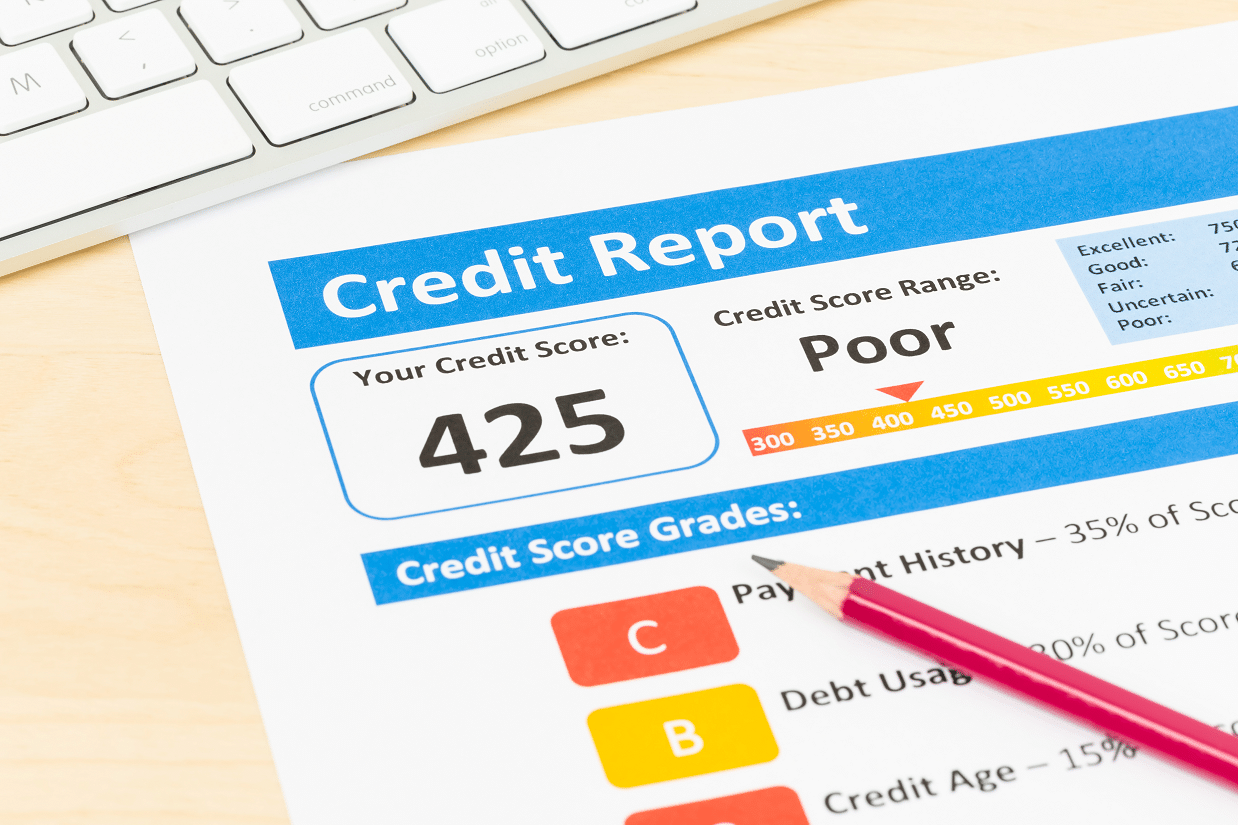
A default is considered a significant negative event. It will usually lower a credit score significantly, making it much harder to secure home loans, vehicle finance, or competitive interest rates in Australia.
Are there credit repair companies in Australia that can remove defaults?
While many Australian companies claim to “clean” credit files, they can only legally remove a default if it was listed in error or if the creditor failed to follow the proper legal notice procedures.
Can a default be updated if the debtor makes a partial payment?
Yes, if a partial payment is made or a settlement is reached, the creditor must update the listing to show the reduced balance or mark it as “settled” to reflect the current status accurately.
Do Australian credit providers need to be members of an EDR scheme?
To list consumer defaults, Australian credit providers must be members of an approved External Dispute Resolution (EDR) scheme, such as AFCA, to ensure consumers have a path for recourse.
Can a default be listed if there is an ongoing dispute?
Under the Australian Credit Reporting Code, a provider must not lodge a default listing if there is a “genuine dispute” regarding the debt that is currently being investigated by the provider or an ombudsman.