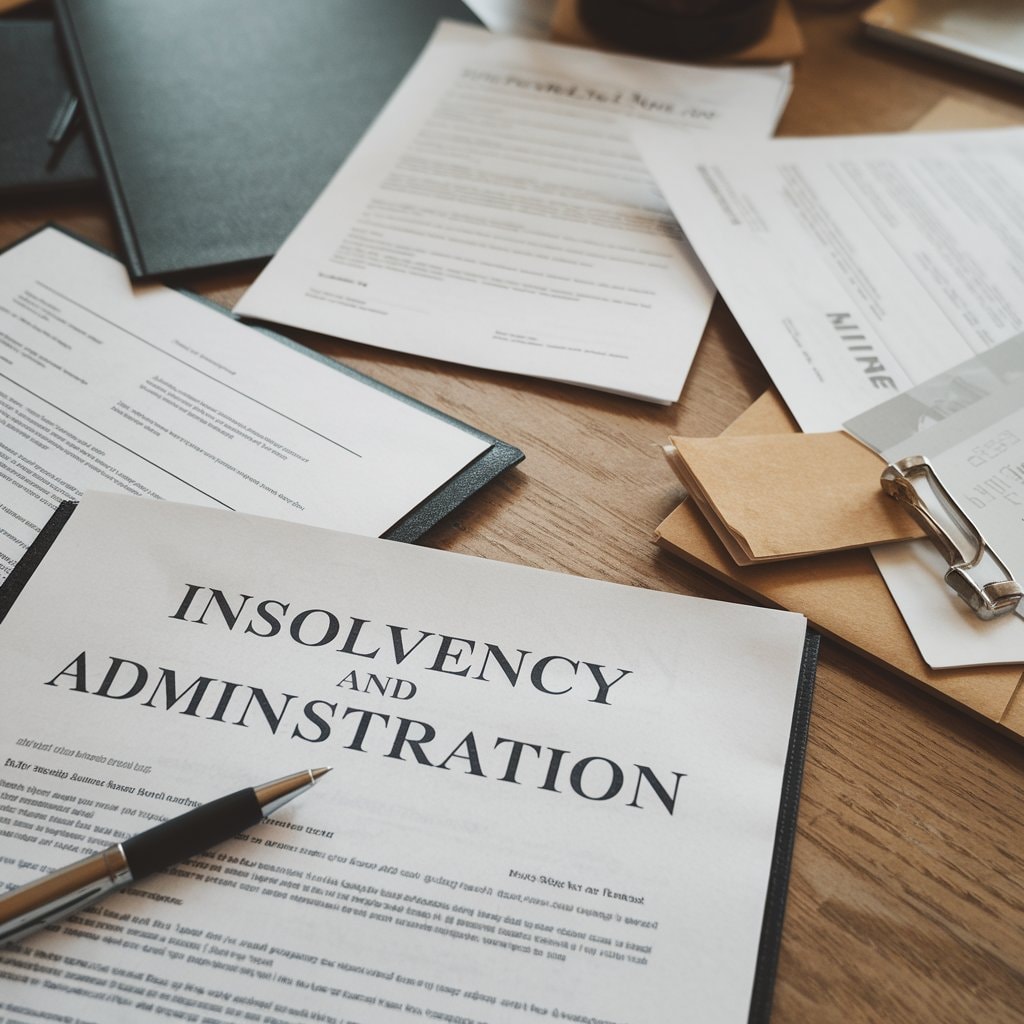

In the fast-paced business environment, managing delinquent payments recovery is crucial for maintaining financial stability. For Australian businesses, dealing with late payment collection and overdue debt recovery presents an ongoing challenge. If not addressed, these issues can severely impact cash flow, hinder business growth, and even threaten a company’s survival. In such a competitive market, it is essential for organisations to develop effective strategies for managing outstanding payments and reducing bad debt.
This article explores real-world case studies from various Australian industries, offering valuable insights into how businesses can improve their debt recovery processes. By examining successful strategies and lessons learned from these cases, companies can adopt more effective methods for handling overdue payments. These practical examples provide businesses with the tools they need to refine their debt collection approaches and ensure they maintain financial stability even in the face of payment delays.
The Landscape of Delinquent Payments in Australia
Australia’s business environment is facing an increasing number of overdue debts, with small and medium-sized enterprises (SMEs) bearing the brunt of this challenge. These businesses often struggle with managing delinquent accounts due to limited resources and tighter cash flow. As late payments rise, SMEs find themselves in a precarious position, unable to absorb the financial strain caused by unpaid invoices. This can lead to disruptions in operations, delayed projects, and even the risk of business closure if left unaddressed.
With the growing prevalence of delinquent accounts, it is crucial for Australian businesses to implement effective debt collection strategies to safeguard their financial health. Proactive measures, such as setting clear payment terms, monitoring accounts closely, and engaging in regular communication with clients, can help mitigate the impact of overdue payments. Without a solid debt recovery plan, businesses risk losing control over their cash flow, which may ultimately undermine their long-term sustainability and competitiveness in the market.
The Role of Credit Management in Australian Businesses
Credit management is a crucial aspect of financial stability for Australian businesses. It involves the careful assessment of a customer’s creditworthiness before extending credit, which helps mitigate the risks associated with non-payment. Credit managers play a vital role in ensuring that only financially reliable customers are offered credit, thereby reducing the chances of overdue debts. By setting clear payment terms and establishing a robust credit policy, businesses can minimise the occurrence of payment defaults and ensure that their cash flow remains steady.
In addition to vetting clients, effective credit management includes the regular monitoring of outstanding payments. Clear credit control policies ensure that overdue accounts are flagged early, allowing businesses to take prompt action before small issues escalate into larger financial problems. This proactive approach not only helps businesses recover debts quickly but also builds trust with customers by ensuring consistent and transparent communication around payment expectations. Effective credit management is, therefore, a key component of financial success for Australian businesses.
Case Studies of Debt Recovery Success in Australia
Several Australian businesses have faced the challenge of delinquent payments and successfully recovered funds using various strategies. One notable case comes from the construction sector, where a firm struggled with late payments from contractors. By implementing a combination of timely invoicing and offering early payment discounts, the company significantly improved its cash flow. This approach led to a 30% reduction in overdue debt, demonstrating the importance of proactive communication and incentives to encourage timely payments.
In another example, a retail business in Australia turned to a debt collection agency to recover unpaid invoices from customers who had defaulted on their payments. The company had been dealing with a high volume of overdue accounts, which were impacting its financial health. By outsourcing the debt recovery process, the business managed to reclaim over 50% of its overdue accounts. This not only improved cash flow but also allowed the business to refocus on operations, highlighting the value of professional debt recovery assistance.
Arrears Management: The Key to Minimising Bad Debt
Arrears management is a vital strategy for businesses aiming to minimise bad debt. By identifying overdue accounts early, businesses can take proactive measures to prevent small payment delays from escalating into larger financial problems. Regularly monitoring accounts and maintaining open communication with clients can help businesses address issues before they become unmanageable. It’s important to establish clear payment terms and ensure customers are reminded promptly when payments are due.
Timely reminders about overdue invoices can significantly reduce the risk of delinquent payments and prevent the build-up of bad debt. This proactive approach helps maintain a healthy cash flow and prevents long-term payment defaults. For Australian businesses, staying on top of arrears management not only ensures financial stability but also strengthens relationships with customers by demonstrating a commitment to clear and transparent communication regarding payment expectations. Implementing a consistent arrears management system is essential to safeguard against the negative impact of non-payment and ensure the continued success of a business.
Debt Collection Best Practices in Australia
Debt collection best practices are essential for Australian businesses aiming to recover overdue payments efficiently. One of the most effective strategies is to establish clear and precise payment terms upfront. This ensures both parties are on the same page regarding expectations and deadlines. Regular communication with clients throughout the payment period is also crucial. Promptly following up on overdue invoices helps maintain momentum in recovery efforts and reduces the likelihood of debt accumulation.
In addition to communication, assessing the creditworthiness of potential clients before extending credit can help businesses mitigate the risk of late or non-payment. Businesses should also make customers aware of the consequences of non-payment, such as legal action or referral to an effective debt collection agency. By proactively setting clear terms and having a structured follow-up process, businesses can reduce the risk of delinquent accounts and protect their cash flow, ultimately improving their financial stability and ensuring smoother operations.
Debt Recovery Strategies for B2B Transactions
In B2B debt recovery, businesses must strike a balance between collecting overdue payments and maintaining positive client relationships. One effective strategy is offering structured payment plans to clients who may be facing temporary financial difficulties. This approach can help businesses recover their outstanding debts while ensuring that they don’t lose valuable customers in the process. By allowing flexibility in repayment terms, businesses can maintain goodwill and avoid the need for more drastic measures.
Another useful approach is working with a professional debt collection agency in Australia. These agencies bring expertise and resources to the table, helping businesses streamline the debt recovery process. They are skilled in handling complex cases and can assist with legal proceedings when necessary. Partnering with a debt collection agency can reduce the strain on internal resources, allowing businesses to focus on their core operations while ensuring that overdue payments are recovered efficiently and effectively.
Using Legal Action for Debt Recovery
When informal debt collection methods fail, businesses in Australia may need to consider legal action as a means of recovering overdue payments. This should be viewed as a last resort, typically after multiple attempts to resolve the matter through phone calls, emails, or even mediation. Legal action can be an expensive and time-consuming process, so businesses must carefully assess the situation. Factors such as the amount owed, the debtor’s financial situation, and the likelihood of success should all be considered before proceeding with litigation.
If a business decides to pursue legal action, the outcome can lead to the enforcement of payment, with court orders or judgments ensuring the recovery of funds owed. In some cases, legal action may prompt the debtor to settle the debt in order to avoid the costs and consequences of a court case. Additionally, the threat of litigation can deter future payment defaults, helping to reinforce the importance of timely payment within business relationships.
Payment Disputes: A Common Challenge in Debt Collection
Payment disputes are a frequent challenge in debt collection, often arising when clients question the amount owed, the quality of the goods or services provided, or the agreed-upon payment terms. These disputes can delay the recovery of overdue funds and increase the overall costs of debt collection. For businesses in Australia, clearly defined contracts and transparent payment terms are essential in minimising misunderstandings and preventing potential conflicts. By setting clear expectations from the outset, businesses can reduce the likelihood of disputes arising and ensure smoother payment recovery.
When disputes do occur, open communication is key to resolving the issue quickly. Addressing the customer’s concerns promptly and professionally can help to maintain a positive business relationship. If a resolution cannot be reached informally, seeking professional mediation or legal advice may be necessary. Having a structured process in place for handling payment disputes can save time, reduce stress, and ultimately improve the likelihood of recovering outstanding payments.
Building Effective Payment Collection Techniques
Building effective payment collection techniques is crucial for businesses aiming to recover outstanding payments while maintaining positive relationships with clients. Establishing clear communication about payment terms from the outset is essential. This includes providing detailed invoices promptly and ensuring clients understand the due dates and payment methods. Regular follow-ups can help ensure that payments are made on time, reducing the chances of overdue debts accumulating.
In addition to clear communication, businesses should implement a robust credit control system to manage their accounts receivable effectively. This system can help track unpaid invoices and set automated reminders as the due date approaches. By proactively managing payment collections, businesses can stay on top of their financials and reduce the risk of bad debt. Consistent monitoring and a strategic approach to follow-ups can lead to more efficient collections, ensuring that outstanding payments are recovered promptly without straining client relationships.
Learning from Debt Recovery Case Studies in Australian Industries
Learning from debt recovery case studies in Australian industries offers valuable insights for businesses facing similar challenges. By examining these real-world examples, companies can identify effective strategies and patterns that have led to successful debt recovery. Key takeaways often include the importance of acting early, addressing overdue payments promptly, and keeping open lines of communication with clients. These practices not only help recover outstanding debts but also preserve business relationships.
Additionally, many case studies highlight the benefits of engaging professional debt collection agencies when internal efforts fall short. These agencies bring expertise in managing difficult collections, ensuring compliance with legal requirements, and using industry-specific techniques. By learning from the experiences of other businesses, organisations can fine-tune their own recovery processes, reduce the risk of non-payment, and avoid common mistakes. Ultimately, these case studies provide a roadmap for businesses to improve their payments recovery strategies and strengthen their financial resilience.
Improving Debt Recovery through Technology
Advances in technology have greatly enhanced debt recovery strategies, offering businesses efficient solutions to manage overdue payments. Automation tools, such as automated invoice reminders and payment follow-ups, help businesses stay on top of outstanding accounts without the need for manual intervention. This not only saves time but also ensures consistency in communication, reducing the risk of human error and missed follow-ups.
Furthermore, specialised software for accounts receivable management allows businesses to track invoices, monitor overdue accounts, and generate reports quickly. By integrating data analytics, businesses can identify payment trends and spot potential defaults before they escalate. This proactive approach enables companies to take early action and reduce the likelihood of prolonged delinquencies. With these technological advancements, businesses can optimise their debt collection efforts, minimise administrative workload, and improve cash flow, all while maintaining a positive relationship with clients.
Final Thoughts …
In conclusion, delinquent payments recovery remains a significant challenge for Australian businesses across various industries. However, by applying the lessons learned from debt recovery case studies and employing effective debt collection strategies, businesses can reduce the impact of overdue debts and improve their financial stability. Understanding best practices in debt recovery, leveraging technology, and working with professional agencies when necessary are all key factors that can help businesses navigate the complex world of payment recovery. By staying proactive and informed, Australian businesses can ensure they are better equipped to handle overdue payments and continue to thrive in a competitive market.
If you’re seeking expert assistance with recovering outstanding debts or improving your payment collection strategies, Bell Mercantile is here to help. For more information, visit our contact u page or call us directly on +61 3 9596 9311 to speak with one of our specialists. Let us help you secure your financial future today.
FAQs
What is the definition of delinquent payments in an Australian context?
Delinquent payments are overdue debts that remain unpaid beyond the agreed due date, often escalating into formal recovery action.
Why are case studies important for understanding Australian debt recovery?
They offer practical insights from real cases, showing what strategies work across different industries.
What is the first step a business should take when a payment becomes delinquent?
Begin with a polite but firm reminder, escalating only if internal notices fail.
What is a ‘Letter of Demand’ in Australian commercial practice?
It is a formal notice requesting payment within a set timeframe and warning of legal action.
Can an Australian business charge interest on overdue invoices?
Yes, if the terms and conditions clearly state the right to charge interest or late fees.
What is the statute of limitations for debt recovery in Australia?
Most states apply a six-year limitation period for contractual debt recovery.
What alternative methods exist for delinquent payment recovery before litigation?
Mediation, payment plans, or engaging a regulated debt collection agency.
How does arrears management differ between the construction and retail industries in Australia?
Construction deals with large, contract-heavy arrears, while retail manages high volumes of smaller overdue accounts.
What are the risks of using a poorly regulated debt collection agency in Australia?
Non-compliance, reputational damage, and possible penalties under ACCC/ASIC rules.
What is a common lesson learned from delinquent payments case studies?
Strong credit control and clear documentation from the outset are essential.
Can a business recover the costs of debt collection from the debtor?
Yes, but only if the contract includes a clause allowing recovery of those costs.
What is B2B debt recovery and why is it complex in Australia?
It is collection between businesses, complicated by larger sums and the need to preserve relationships.
What strategies help minimise bad debt prevention for Australian SMEs?
Rigorous credit checks, firm payment terms, and immediate follow-up on overdue invoices.
What role does technology play in modern payments collection in Australia?
Automation improves invoicing accuracy, reminders, and digital payment processing.
What is an appropriate time to engage a professional debt recovery solicitor?
When reminders and agencies fail and litigation or a Statutory Demand becomes likely.
How do you negotiate a repayment plan for a delinquent account?
Assess the debtor’s situation, agree on structured instalments, and formalise it in writing.
What is the impact of delinquent payments on a business’s cash flow?
They restrict liquidity, hinder supplier payments, and reduce growth capacity.
What is the difference between a late payment and a delinquent payment?
Late means just past due; delinquent means significantly overdue and requiring formal action.
What are the legal guidelines for contact from a debt collection agency in Australia?
ACCC/ASIC rules limit contact times and prohibit harassment or misleading conduct.
How can I recover unpaid invoices from an interstate Australian client?
Follow standard recovery steps, using agents familiar with cross-state legal procedures.
What do credit control lessons focus on in a commercial setting?
Better invoicing, clear terms, appropriate credit limits, and proactive follow-up.
Why is it vital to keep detailed records during the debt recovery process?
They provide essential evidence to support the debt if legal action is required.